
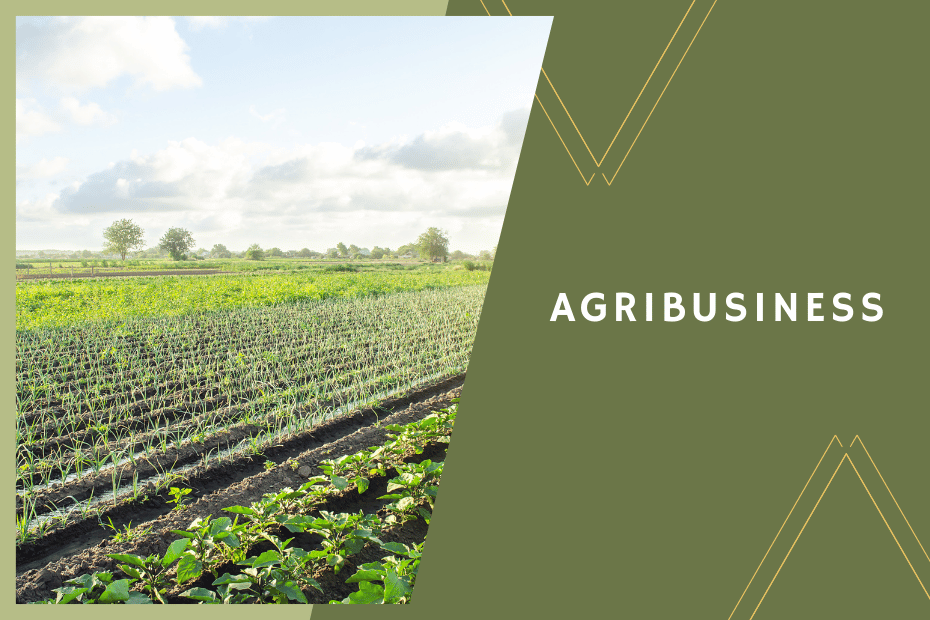
Agribusiness, a broad and dynamic industry, involves more than growing crops or raising livestock. It encompasses a complex network of businesses engaged in farming, food production, equipment manufacturing, and distribution, among other sectors. As such, leaders in agribusiness are responsible for navigating various challenges and opportunities, ranging from market fluctuations to environmental sustainability. This article will explore the critical leadership lessons derived from the field of agribusiness, focusing on traits such as resilience, adaptability, collaboration, and long-term thinking. These lessons can serve as valuable guidance for aspiring leaders in any industry.
Long-term Vision and Patience
Agribusiness is inherently tied to the seasons and natural cycles, requiring a long-term vision. Farmers plant seeds knowing that it will take months before they see the fruits of their labor. Likewise, agribusiness leaders must adopt a long-term perspective, planning for sustainability and profitability over time.
This patient approach teaches leaders to resist the temptation of short-term gains in favor of more sustainable, long-term strategies. For instance, investing in soil health may not yield immediate results but can significantly enhance crop production over the years. Similarly, effective leaders focus on developing their teams over time, recognizing that growth, whether personal or organizational, takes time and continuous effort.
Patience in leadership also means knowing how to navigate setbacks without panicking. In farming, a bad season is inevitable, whether due to poor weather or other uncontrollable factors. Leaders must learn to maintain their composure and adapt their strategies to the long-term goal, whether it’s sustaining a farm or leading a large agribusiness.
Adaptability to Change
The agricultural industry is constantly evolving due to external factors such as climate change, technological advancements, and shifting market demands. Agribusiness leaders must be adaptable, ready to adjust their strategies in response to these changes.
For example, technological innovations like precision agriculture and drone monitoring have revolutionized modern farming practices. Leaders in agribusiness must stay informed about these developments and integrate them into their operations to remain competitive. This adaptability extends beyond technology to include market shifts. A sudden change in commodity prices or international trade policies can significantly impact profitability, requiring swift decision-making and flexibility.
Adaptability is about reacting to change and anticipating it. Leaders who stay ahead of industry trends and embrace innovation can guide their teams through transitions smoothly and maintain a competitive edge in the marketplace.
Empowering Teams with Resources and Support
Just as successful farming requires providing crops with the right nutrients, leadership in agribusiness involves ensuring that teams have the resources, support, and tools they need to thrive. Leaders must create an environment where their employees can grow and develop their skills.
This may involve investing in training programs, providing opportunities for professional development, or simply ensuring that the tools and technologies needed for the job are available. A great leader understands the specific needs of their team and makes sure those needs are met, whether it’s technological resources, clear communication, or emotional support.
Moreover, leaders who empower their teams by delegating responsibilities and trusting them to make decisions foster a sense of ownership and accountability. When employees feel supported and trusted, they are more likely to take initiative and contribute to the organization’s success. This is especially important in agribusiness, where teamwork and collaboration are essential to managing large-scale operations effectively.
Resilience in the Face of Challenges
In agribusiness, challenges are inevitable. From unpredictable weather patterns to market downturns, leaders in this field must be resilient, able to endure setbacks, and keep pushing forward.
Resilience in leadership is about maintaining focus and determination even when the odds are stacked against you. Agribusiness leaders know that not every season will be a bumper crop. Some years may bring droughts, floods, or pest infestations, but resilient leaders keep their eyes on the long-term goals. They are adaptable, willing to adjust their plans, and determined to find solutions despite the challenges.
Resilient leaders also inspire their teams by demonstrating optimism and perseverance in difficult times. By fostering a culture of resilience, they help their organizations weather storms, whether literal or metaphorical, and emerge stronger.
Collaboration and Building Networks
Collaboration is a cornerstone of success in agribusiness, where working together with partners, suppliers, and distributors is essential to efficient operations. This extends beyond the organization, as many agribusinesses are part of cooperatives, which pool resources and bargaining power to secure better deals for their members.
Agribusiness leaders learn the importance of building strong relationships with a wide range of stakeholders, from farmers to corporate partners. This emphasis on collaboration and networking is a valuable lesson for leaders in any industry. By fostering strong connections within and outside the organization, leaders can share knowledge, leverage resources, and tackle challenges collectively.
In a fast-changing world, being part of a cooperative or a strong professional network provides leaders with access to valuable insights and support. Networking with industry peers and collaborating on projects also opens the door to innovation and new business opportunities, ultimately benefiting the entire organization.
Continuous Learning and Innovation
Agribusiness is an industry that thrives on innovation. With advancements in technologies such as biotechnology, data analytics, and precision agriculture, leaders must continually learn and embrace new ideas to remain competitive.
A forward-thinking leader understands that stagnation is the enemy of progress. Just as a farmer needs to rotate crops to keep the soil fertile, a leader needs to seek out new ways of improving efficiency and productivity. This might involve implementing new technologies, exploring sustainable practices, or rethinking traditional methods.
Encouraging a culture of continuous learning within the organization ensures that employees are also staying ahead of industry trends. When employees are given the tools to innovate, they can contribute to the organization’s success by offering creative solutions to problems and finding ways to improve operations.
Purpose-Driven Leadership: Aligning Vision with Action
Agribusiness leaders often have a clear sense of purpose that drives their actions. This purpose typically involves the financial success of the business and contributing to the community, ensuring environmental sustainability, and supporting food security.
Purpose-driven leadership is about aligning your vision with actionable steps that benefit both the organization and society as a whole. In agribusiness, this might involve adopting sustainable farming practices, reducing waste, or investing in community development initiatives. Leaders who have a clear sense of purpose are more likely to inspire their teams and create a positive impact beyond just profit margins.
In other industries, leaders can also benefit from this approach by focusing on long-term sustainability, ethical practices, and social responsibility. Purpose-driven leadership fosters loyalty and engagement among employees, customers, and stakeholders alike.
In Conclusion
The leadership lessons drawn from the field of agribusiness are highly applicable across industries. Patience, adaptability, resilience, collaboration, continuous learning, and a sense of purpose are critical traits that define successful leaders. In a world where industries are constantly evolving and facing new challenges, these leadership qualities can help guide organizations toward long-term success. By cultivating these lessons, leaders improve their teams and businesses and contribute to the betterment of society.

Dax Cooke is the founder of Farmfolio, a Medellín-based agribusiness and farmland development company. With 10+ years across capital markets and agribusiness, he builds sustainable, cash-flowing farmland projects and export supply chains (coconut, lime, teak, avocado). A three-time NAIFA 40 Under 40 honoree, his career began at Citigroup’s Capital Markets.